
Emergency Water Heater Replacement: Same-Day Options
When a tank has failed outright, you have water on the floor now and no hot water tonight. A tank shell that has corroded through cannot be repaired, so the question becomes how quickly a safe replacement can go in.
Shut off the cold supply to the heater and the power or gas, then call our 24/7 line at (714) 750-8637. We confirm the size, fuel type and venting by phone and bring a matching unit where we can. Installs follow the California Plumbing Code (UPC-based), and the City of Thousand Oaks Building Division lists replacement of water heaters among its permit types. Source: toaks.gov/building.
Stops the refill so the leak does not keep growing.
Breaker off for electric, gas control to off or pilot for gas.
The model and serial label helps us match capacity and fuel type quickly.
We will talk through same-day options for your size and fuel type.
What You Need To Know
When Replacement Beats Repair
A water heater past 8-10 years, showing rust-colored water, or leaking from the tank itself is usually a replacement conversation, not a repair one - once a tank starts to corrode, patching it buys days, not years. We'll tell you honestly when a repair is the smarter call and when it's throwing money at a unit that's already on its way out.
Homes on the older end of Thousand Oaks's housing stock sometimes still have units that were sized for a smaller household or an older fixture count. When we replace, we look at your actual usage - number of bathrooms, simultaneous demand, and whether a tankless upgrade makes more sense than a like-for-like tank replacement.
Homes We Replace Water Heaters In
Much of Lang Ranch was built between the 1980s and the 2000s, which puts many original water heaters at or past the end of their life. In Rancho Conejo, a guard-gated community of about 1,000 homes, we coordinate gate access ahead of time, and in the condos and townhomes along Hillcrest Drive near The Oaks mall we confirm closet clearances and HOA rules before the old unit comes out.
Tank Vs. Tankless
Tank water heaters are the lower upfront cost and the simpler install in most homes. Tankless units cost more to install but heat on demand, take up far less space, and last longer with proper maintenance - a real consideration if you're renovating or short on utility space. We'll walk through both honestly based on your household size and budget rather than pushing the higher-margin option.
What The Install Actually Involves
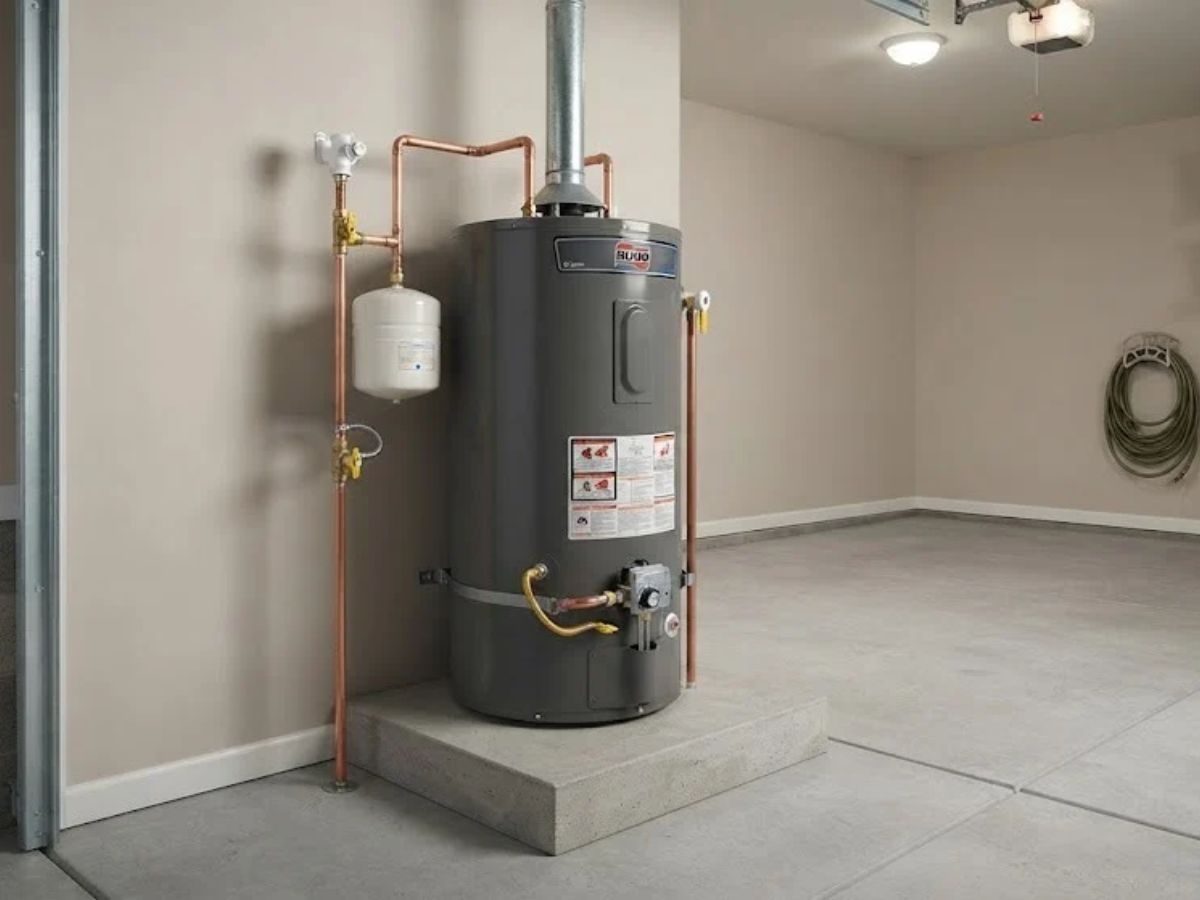
A same-day install includes disconnecting and hauling away the old unit, verifying venting and gas or electrical connections meet current code, setting and leveling the new unit, and testing for leaks and proper temperature before we leave. If code requires an upgrade to venting, a expansion tank, or a drip leg that the old install didn't have, we'll flag that and price it as part of the same visit rather than surprising you afterward.
Permits And Inspection
Thousand Oaks requires a permit for water heater replacement, and we pull it as part of the job rather than leaving that step to you. An inspector typically needs to sign off on the completed install, which we schedule and coordinate so you're not the one tracking down a city inspection on top of everything else.
Every install follows the California Plumbing Code (the state's adoption of the Uniform Plumbing Code, UPC) for venting, seismic strapping, and connection requirements - not a generic national default.
Skipping the permit is sometimes offered elsewhere as a way to save a little money and time, but it can complicate a home sale or an insurance claim down the line if the install was never inspected - we do it the documented way by default.
Earthquake Strapping
California code requires water heaters to be seismically strapped, and it's one of the most commonly skipped details on older DIY or budget installs we come across. Every replacement we do includes proper strapping at the code-required points, checked against the actual wall material rather than just screwed into drywall alone.
Location And Access Considerations
Where the new unit goes matters as much as which unit you pick. A garage install has different clearance, combustion-air, and seismic-strap requirements than a closet or attic install, and a tankless unit going on an exterior wall needs the venting run planned before the old tank comes out. We walk the actual space with you before quoting rather than assuming a like-for-like placement is always the right call.