
Emergency Water Heater Leak: What To Do Right Now
A water heater leak is one of the most common emergency calls we get, and the hours matter. Water at the base of the tank can spread across a garage floor or into a closet, and a failing tank can release a large amount of water in a short time.
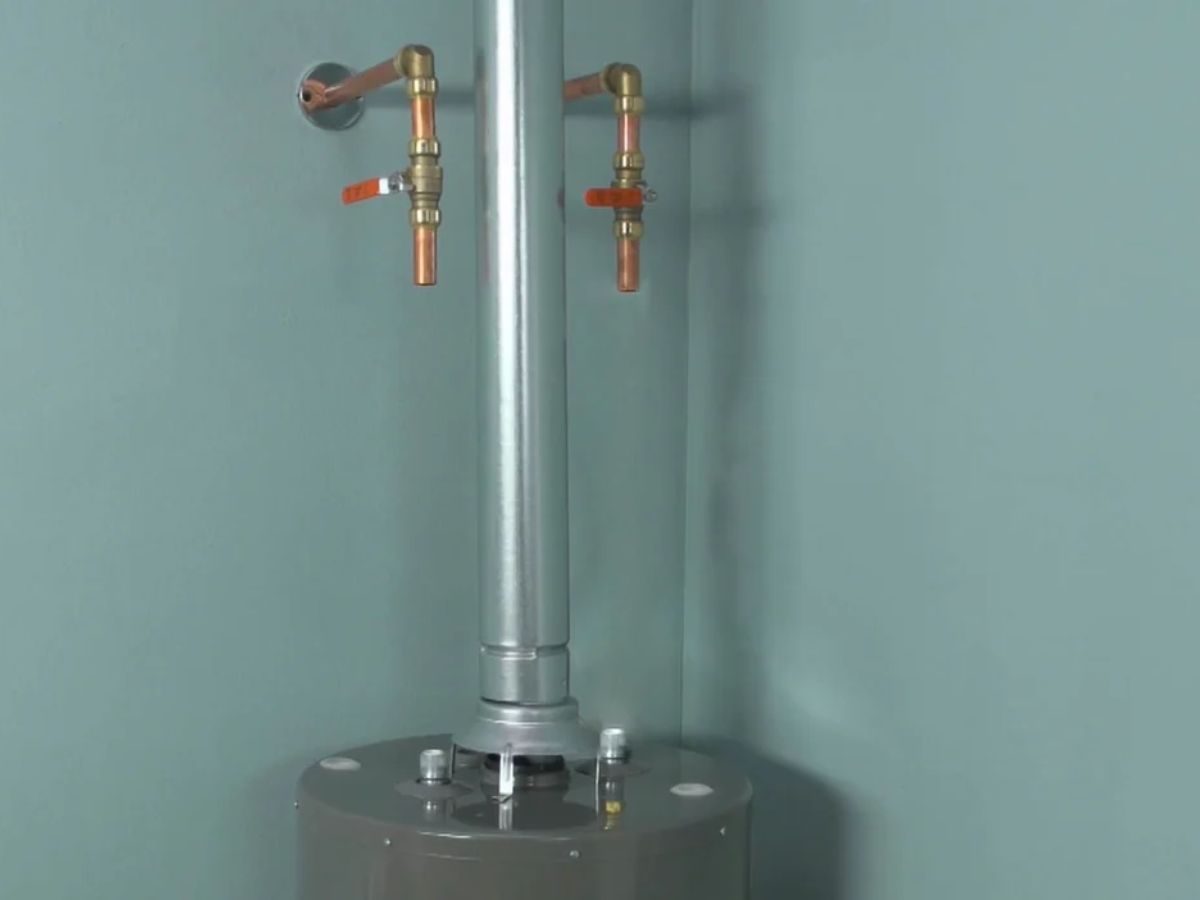
Close the cold water supply valve on the pipe feeding the heater to stop the refill. Then turn off the breaker for an electric unit, or set the gas control to off or pilot for a gas unit. If you smell gas, leave the house and call SoCalGas at 1-800-427-2200 from outside, and call 911 if anyone could be in danger. After that, call our 24/7 line at (714) 750-8637.
This stops the tank from refilling while it leaks.
Breaker off for electric, gas control to off or pilot for gas. Never reach into standing water near an electric unit.
Get everyone outside and call SoCalGas at 1-800-427-2200, plus 911 if anyone could be in danger.
Tell us the age, fuel type and where the water is coming from.
What You Need To Know
What A Leaking Water Heater Usually Means
A puddle at the base of the tank is one of the most common calls we get, and it's worth taking seriously - a leak from the tank itself (as opposed to a fitting or the T&P valve) usually means the tank has started to corrode internally, and once that starts it doesn't stop.
We check whether the leak is coming from a repairable fitting or valve versus the tank shell itself, because that distinction determines whether this is a repair or a replacement conversation.
If it is the tank, we'll say so directly rather than patching something that's going to fail again in weeks. If it's a fitting, valve, or connection, that's usually a straightforward, same-visit repair.
Where We Repair Water Heaters
Wildwood, close to Wildwood Regional Park and its Paradise Falls trails, has many older single-family homes where a second or third water heater is now aging. Lynn Ranch and Casa Conejo, two established communities inside the city limits, produce the same kind of calls, often involving original shutoff valves and connections that should be checked while the unit is open.
No Hot Water
For gas units, a pilot that won't stay lit is often a thermocouple issue - a relatively inexpensive part. For electric units, no hot water more often traces to a failed heating element or thermostat. Either way, we test rather than guess: checking gas supply and igniter function on gas units, or testing elements and thermostats with a meter on electric units, before quoting a repair.
When We'll Tell You To Replace Instead
A unit past 8-10 years old with a tank leak, repeated failures, or heavy sediment buildup usually isn't worth repairing - we'll walk you through the real cost comparison rather than defaulting to whichever job pays more. See Water Heater Installation & Replacement if that ends up being the honest answer for your unit.
Sediment Buildup And Noise
A rumbling or popping sound from the tank is usually sediment that's settled at the bottom and is being heated directly by the burner - common in areas with harder water, and worth flushing before it gets bad enough to reduce efficiency or shorten the tank's life. If your unit has never been flushed, that's often a same-visit fix we can pair with whatever repair brought us out in the first place.
Gas Smell Or Standing Water
Two situations warrant shutting things down before you even call: a gas smell near the unit, and standing water that's reached an outlet or the burner assembly. If you smell gas, shut off the gas supply at the valve if you can safely reach it, don't operate any switches nearby, and call us immediately - that's treated as a true emergency, not a scheduled repair.
Standing water near an electric unit's connections is a shock risk. Leave it alone and wait for a technician rather than reaching into it yourself.
Warranty And Age
If your unit is still within its manufacturer warranty period, some repairs may be covered for parts even if labor isn't - bring us the model and serial number and purchase or install date if you have it, and we'll factor that into the repair-versus-replace conversation rather than quoting full price on a part that might still be under warranty. All repair and replacement work follows California Plumbing Code (UPC-based) requirements for venting, seismic strapping, and temperature-and-pressure relief valve routing.
Odd Smells Or Discolored Water
A sulfur or rotten-egg smell from hot water taps specifically (not cold) is usually a reaction between the anode rod and bacteria in the tank, not a gas leak - it's unpleasant but generally not dangerous, and a rod replacement or a water treatment usually resolves it. Rusty or discolored hot water, on the other hand, often points to internal tank corrosion, which circles back to the same replace-versus-repair conversation as an active leak.
Sizing Up A Repair Quote Over The Phone
Callers often want a price before anyone arrives. We can give a rough range for common repairs such as a thermostat, element, thermocouple or valve, but the real number depends on what the diagnostic finds. A flat quote follows the diagnosis, and you approve it before work starts.
If the water heater is more than a decade old, ask us about replacement at the same time, since a repair on a failing tank can be money spent twice.