
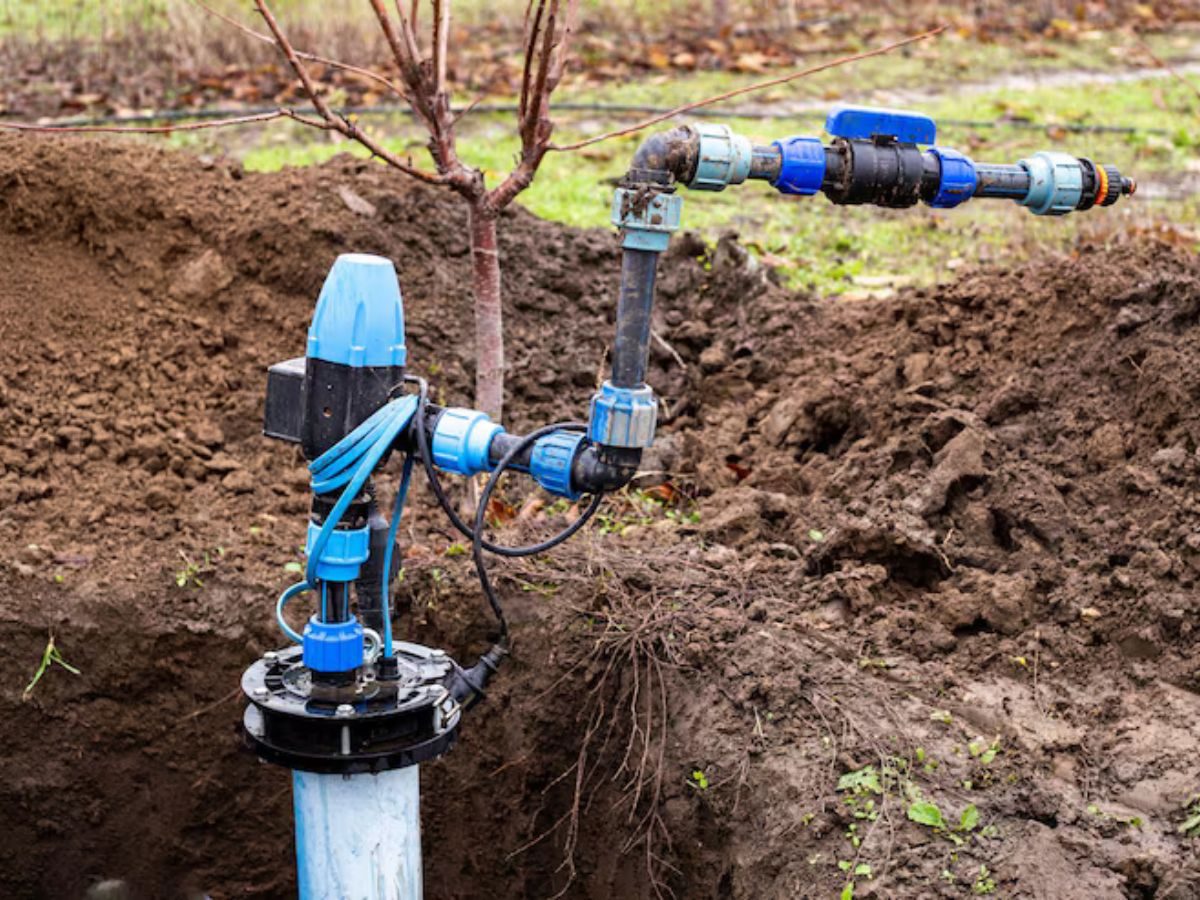
Emergency Sump Pump Failure: Protect The Space First
A sump pump that stops running during heavy rain or a plumbing failure can leave water standing in a garage, utility room or lower level within hours. Callers often describe the pit overflowing or the pump humming without moving water.
Check that the pump is plugged in and that the outlet's GFCI or the breaker has not tripped, but stay out of any standing water near electrical equipment. Move stored items off the floor and call our 24/7 line at (714) 750-8637. We repair or replace the pump, test the float and check valve, and talk through a battery backup if the power failed.
A tripped GFCI or breaker is the simplest cause of a silent pump.
Do not touch the pump or outlets while water is near electrical equipment.
Move boxes, tools and electronics up and away from the pit.
Tell us whether the pump hums, runs or is silent so we bring the right parts.
How Sump And Ejector Pumps Work
Why Some Conejo Valley Homes Have One
Sump pumps are not standard equipment in most Southern California homes, but plenty of Thousand Oaks properties have one. Hillside lots, retaining walls, lower-level garages, finished rooms below street grade, and crawlspaces with under-floor drains all collect groundwater and storm runoff that has to go somewhere. A pump in a small pit moves that water out to the street or a drainage line before it reaches your floor.
The equipment sits idle through the long dry months and then gets asked to work hard during the first big winter storm. That is exactly when a stuck float switch or a worn motor shows itself, so a quick check before the rainy season costs far less than a flooded garage afterward.
A sewage ejector pump looks similar but does a different job. It lifts wastewater from a below-grade bathroom, laundry, or wet bar up to the sewer line. The repair steps and the safety precautions are different, so we confirm which type you have before anything is opened up.
Where Sump Pumps Show Up In Thousand Oaks
Sump and ejector pumps turn up most often on hillside lots, such as those around Wildwood and the slopes of Dos Vientos Ranch, and in homes with finished space below street grade. Lynn Ranch properties with older drainage setups also come up. If you are not sure whether a pump is part of your house, a quick look in the garage or lower level usually answers it.
Failures We See Most Often
A pump that hums but does not move water is usually a jammed impeller or a failed start capacitor. A pump that runs nonstop on a dry day usually has a float switch stuck in the up position, or a failed check valve that lets water fall back into the pit after every cycle.
A pump that never turns on at all can be as simple as a tripped GFCI outlet or a float tangled against the side of the pit, or as serious as a burned-out motor.
We also find intake screens clogged with silt and debris, discharge lines that have come loose or been crushed by landscaping, and pits that were never sized for the volume of water they now receive. Each of those has a different fix, which is why we test the whole system instead of just swapping the pump.
Repair Or Replace
Most residential sump pumps last roughly seven to ten years. A pump that has started cycling more often, making new noises, or sitting in a pit full of rust is usually near the end of that range. A float switch, check valve, or discharge fitting is a small repair on a healthy pump. A seized motor on a pump that is already eight years old is rarely worth fixing.
When we replace a pump we match it to the pit and the job. That means checking pit depth, the height the water has to be lifted to reach the discharge point, and how much water arrives during a heavy storm. A pump that is too small keeps running and burns out early, and one that is too large short-cycles for the same reason.
Battery Backup And High-Water Alarms
Storms that fill a pit quickly are also the storms most likely to knock out power. A battery backup system keeps a second pump running through an outage, and a high-water alarm gives you a warning before the pit overflows. For a finished room or a garage full of stored belongings, that combination is usually a small cost compared with a single flood.
What To Do Before We Arrive
Do not reach into a sump pit or touch the pump while it is plugged in, because water and household power are a dangerous mix. If you can safely reach the panel, switch off the breaker for the pump circuit before checking anything. Stay out of standing water near outlets, and move stored items off the floor in the affected area.
If the pump that failed is a sewage ejector, stop using the toilet, shower, and washing machine that drain to it. Running more wastewater into a failed ejector pit sends sewage back up into the room. Call us right away and we will tell you what to do while a technician heads your way.
Installation Standards
New pumps and replacements follow California Plumbing Code (UPC-based) requirements for check valves, discharge routing, and sewage ejector venting. The electrical side follows the National Electrical Code (NEC), including GFCI protection where it is required. We pull a permit when the work calls for one instead of leaving that step to you.
A Simple Pre-Storm Check
Before the first big storm each year, pour a few gallons of water into the pit and watch the pump run a full cycle. The float should lift, the pump should start within a few seconds, and the water level should drop without strange noises. If anything hesitates, call before the rain arrives rather than after.