Emergency Toilet Overflow Or Backup: Do This First
A toilet that is overflowing, or backing up when other fixtures run, is more than an annoyance. Water on a bathroom floor can reach the subfloor and the room below, and a backup that involves sewage is a sanitation problem.
Do not flush again. Lift the tank lid, hold the flapper closed or lift the float, then turn the supply valve behind or beside the toilet clockwise. If that valve does not stop the water, close the main shutoff and call our 24/7 line at (714) 750-8637. If other drains are gurgling too, tell us, because that points to the main line.
Another flush on a blocked toilet only adds to the overflow.
Turn the valve at the wall clockwise to stop new water entering the tank.
Towels on the floor protect the subfloor and ventilation helps if sewage is involved.
Tell us if other drains are slow so we bring the right equipment.
The Repair Process Explained
The Most Common Toilet Calls We Get
A toilet that runs constantly is almost always a worn flapper or fill valve - an inexpensive part, but one that wastes real water and money on your bill until it's replaced. A toilet that clogs repeatedly despite plunging, especially if it's an older low-flow model, sometimes has a partially blocked trap or an issue further down the drain line rather than just needing a bigger plunger.
Water pooling at the base of the toilet usually means a failed wax ring seal at the flange - a straightforward fix, but one that needs the toilet pulled to do properly rather than patched from outside.
One real pattern we see often: a large amount of water at the wall with no way to shut it off - if that's your situation, locate the shutoff valve behind or beside the toilet and turn it clockwise before calling. If there isn't one or it doesn't stop the flow, the main house shutoff is the next step.
Toilet Calls In Condos And Houses
Condos and townhomes along Hillcrest Drive near The Oaks mall share walls and risers, so a failed wax ring or supply line can damage a neighbor's unit and not just your own. In single-family areas like Lang Ranch and Conejo Oaks the bigger concern is usually a worn flange or a toilet that has rocked loose over the years.
Flange And Subfloor Issues On Older Homes
On older Thousand Oaks homes, a toilet that rocks slightly or a wax ring that keeps failing repeatedly can point to a damaged or improperly sized flange, or in some cases subfloor damage from a long-term slow leak that was never fully repaired. We check for this rather than just replacing the wax ring again and having the same problem recur in a few months.
New Installations
Replacing a toilet is a good opportunity to move to a modern water-efficient model if the current one is an older high-flow unit - the water savings alone often pay back the difference over a few years.
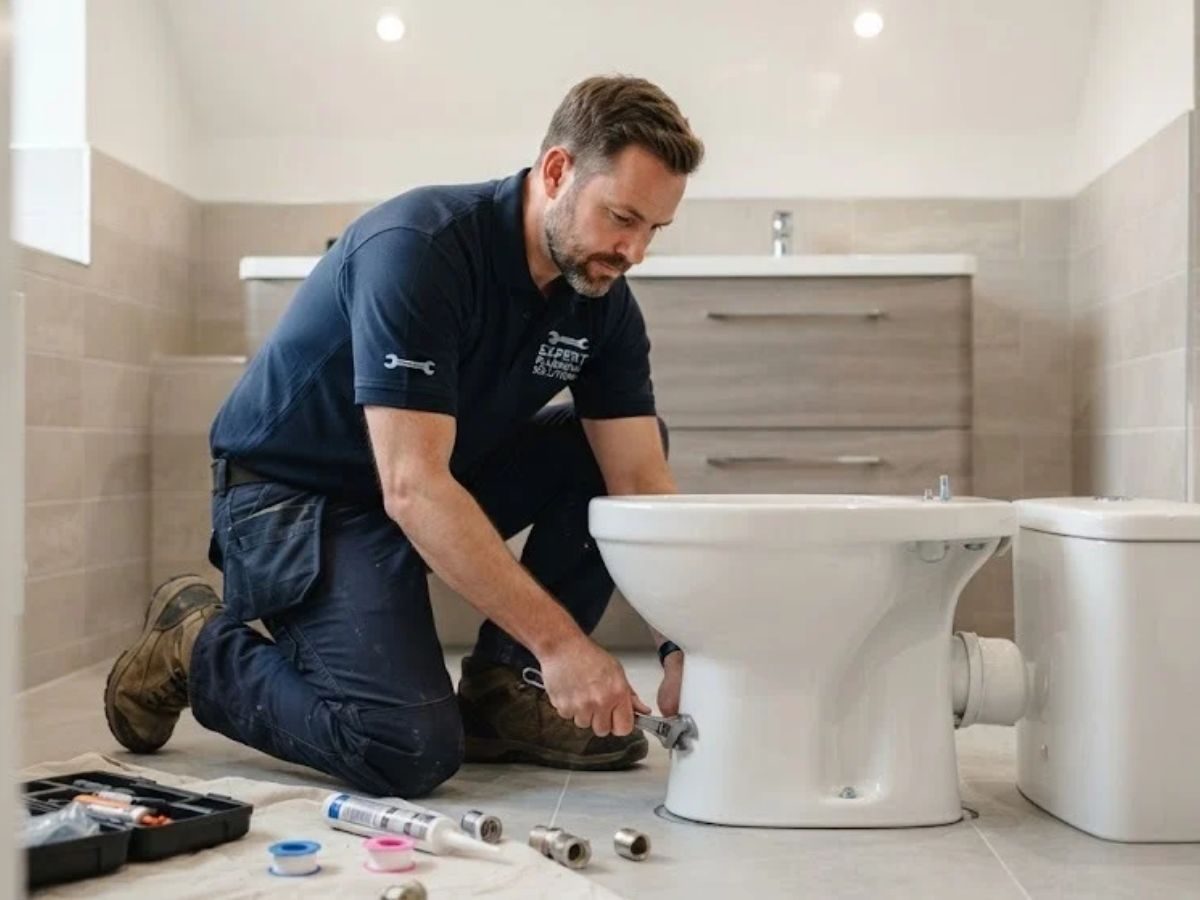
Installation includes removing the old unit, inspecting and repairing the flange if needed, setting the new toilet with a fresh wax ring, and testing for a solid, leak-free seal before we consider the job done. All installs meet California Plumbing Code (UPC-based) requirements for water-efficiency fixtures and proper venting.
Commercial And Rental Property Toilets
Rental units and small commercial properties often need faster turnaround on toilet repairs since the fixture affects tenants directly, and higher-use fixtures wear out flappers, fill valves, and flanges faster than a typical single-family bathroom. If you're a property manager handling this on behalf of a tenant, let us know that upfront so we can coordinate access and documentation the way commercial accounts typically need.
Multiple Bathrooms, One Recurring Issue
If more than one toilet in the house shows the same symptom - all running, all clogging easily - that pattern points toward something shared across the plumbing (water pressure, or a citywide hard-water mineral issue) rather than coincidence across separate fixtures, and it's worth mentioning when you call so we look at the whole picture rather than treating each toilet as an isolated case.
Slow-Filling Or Weak-Flush Toilets
A toilet that fills slowly after flushing, or has a noticeably weaker flush than it used to, often has a partially clogged fill valve or a supply line with reduced flow rather than anything wrong with the bowl or trap itself - a simple valve cleaning or replacement usually restores it fully, and it's a quick check to add onto any other toilet visit.
Fill Valve, Flapper And Supply-Valve Leaks
Most running or slow-filling toilets trace to a worn flapper, a fill valve that no longer shuts off or a supply valve that weeps at the stem. These parts are inexpensive, and replacing them early avoids a toilet that runs all night and adds to the water bill.
A supply valve that will not turn, or that leaks when you try, is worth replacing at the same visit. It is the valve you will rely on in an emergency.