Emergency Sewer Backup In Thousand Oaks: Safety Checklist
Sewage coming up through a floor drain, tub or toilet is a health risk and a true emergency. Stop using water in the house right away, because every flush or washing machine cycle sends more wastewater toward the blockage.
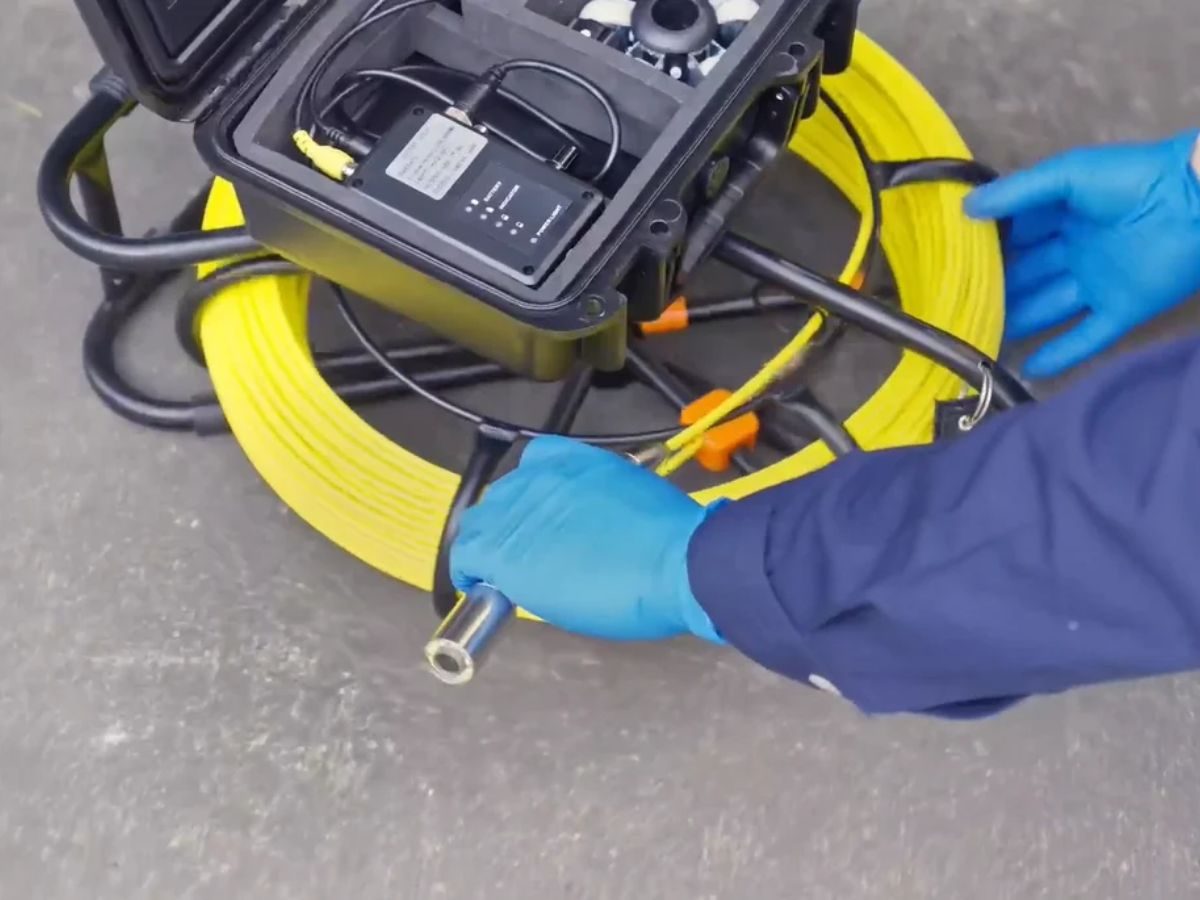
Keep children and pets out of the affected room, and do not pour bleach or chemical cleaners into a backed-up line. Call our 24/7 emergency line at (714) 750-8637 and tell us how many fixtures are affected. If several drains act up at once, the blockage is usually in the main line, so we bring a camera and jetting equipment on the first trip. Repair work follows the California Plumbing Code (UPC-based).
No flushing, laundry or dishwasher cycles until the line is cleared.
Treat any area sewage has reached as contaminated until it is cleaned.
Bleach and drain chemicals do not fix a main line blockage and can create harmful fumes.
Tell us which fixtures are backing up so we send the right equipment.
Understanding The Repair Path
Backups, Root Intrusion, And What They Usually Mean
A sewage backup - water backing up into a tub, toilet, or floor drain when you run other fixtures - is one of the more urgent calls we get, and it's almost always a main line issue rather than a single-fixture problem. Thousand Oaks has real older housing stock, and some sewer laterals in that older stock are original clay or cast-iron pipe, both of which are more prone to root intrusion at their joints than modern PVC.
A localized crack with root intrusion is a specific, common finding on a camera inspection - and it's a strong candidate for a trenchless spot repair rather than replacing the whole line, because the damage is often confined to one section rather than spread the full length of the pipe.
Sewer Line Calls In Older Sections
Lynn Ranch is one of the city's founding-era neighborhoods, and older lateral lines in areas like it are the ones most likely to show root intrusion or joint failure on camera. Newer neighborhoods such as Dos Vientos Ranch and later phases of Lang Ranch have modern pipe, so a backup there more often points to a clog than to a failed line.
Why We Camera-Inspect Before Quoting
Sewer line repair pricing varies enormously depending on what's actually wrong - a root-clogged section that responds to hydro jetting is a very different job from a collapsed or severely offset section that needs excavation. We run a camera through the line first, record what we see, and show you the actual footage before recommending a repair path, rather than quoting a worst-case number or a best-case guess.
Trenchless Options
Where the damage is localized, a trenchless spot repair or pipe lining can fix the affected section without excavating your entire yard or driveway - faster, less disruptive, and often less expensive than full replacement, when the line's overall condition supports it.
Not every line qualifies. A line with damage spread across multiple sections, significant bellying, or repeated past failures is usually better served by replacement, and we'll tell you honestly which category yours falls into based on what the camera actually shows. All repair work meets California Plumbing Code (UPC-based) standards for pipe slope, material, and joint requirements.
What To Do During An Active Backup
Shut off water use to affected fixtures until a technician arrives - running more water into a backed-up line just adds to the problem. Avoid using bleach or chemical drain treatments on a sewage backup, since it can create hazardous fumes when mixed with waste and doesn't address a main-line blockage anyway.
If sewage has reached living space, treat the area as contaminated until it's professionally cleaned, and keep children and pets away from it. If the backup is severe enough to be affecting multiple fixtures or has reached flooring, that crosses into water-damage cleanup territory as well as the plumbing repair - we can point you to the right next step for that side of it.
Locating The Line Before Any Digging
Sometimes the first question is simply where the sewer line runs. A camera inspection with a locator follows the pipe from the cleanout, marks its path on the surface and shows its condition along the way. That map matters before a repair, a new fixture or any digging in the yard.
Knowing the path also protects other buried lines. If a repair is needed, we can dig only where the camera showed damage instead of trenching the whole yard.